
 New Years Eve Ritual 2026/2027 with Savannah
Blog, Candle Magic, Candle Work, Learn Witchcraft, Spellcasting
Why Candles Are Used in Spells: A Practical Guide
Jun
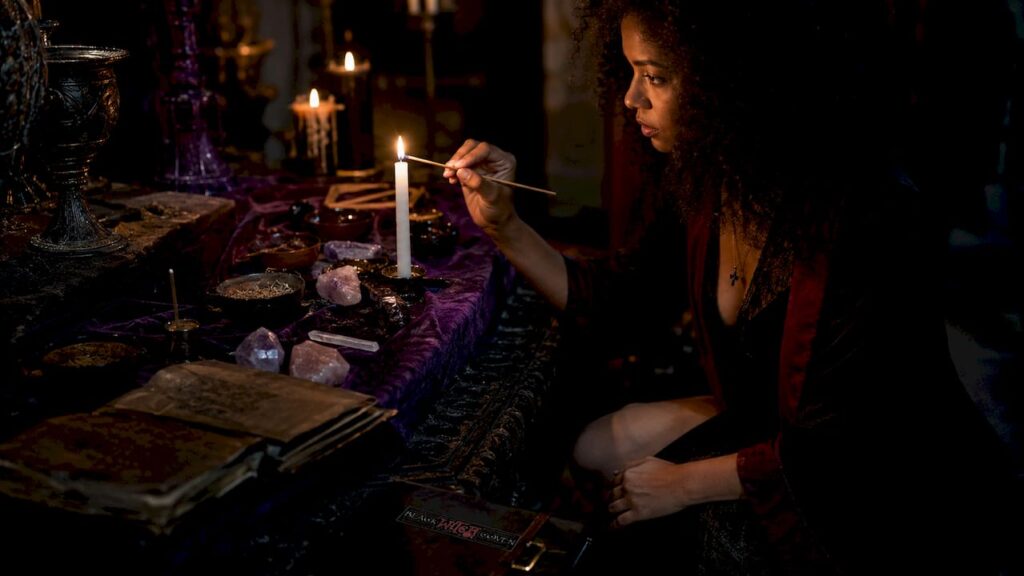
Candles are used in spells because they transform abstract intention into a visible, physical act. The flame serves as a living symbol of will, giving the practitioner something concrete to anchor their focus during ritual work. This is not superstition dressed up in wax and wick. Candle magic, the recognized term for this practice in witchcraft traditions, works through the combined force of symbolic color, sensory engagement, ritual preparation, and burn duration. Each element reinforces the others. Together, they make candles one of the most direct and repeatable tools in any spell worker’s practice.
Why candles are used in spells: the core mechanism
Candles translate intention into action by giving the mind a physical object to focus on. Without that anchor, the mind drifts. With it, the practitioner holds a single purpose in sustained attention long enough for it to take root. The flame acts as a living symbol that keeps the spell’s goal present and active throughout the working.
The importance of candles in spells goes beyond aesthetics. Lighting a candle marks a clear boundary between ordinary time and ritual time. That transition matters. It signals to the mind that focused work is beginning, which primes attention and reduces distraction. Simple spells typically run for 10–20 minutes of focused burn time. That window is long enough to hold deep intention but short enough to maintain genuine concentration.
The power of candle magic lies less in the candle itself and more in the practitioner’s directed attention creating physical action from intention. The candle is the vehicle. The practitioner is the engine.
How candle color shapes the meaning of a spell
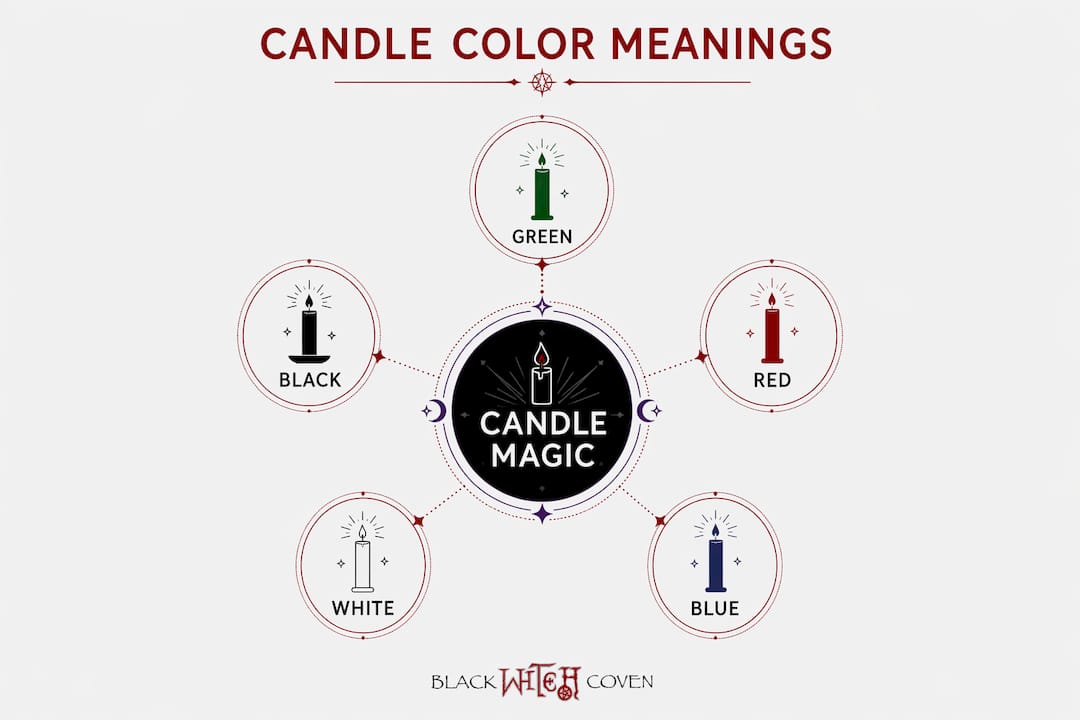
Color is the first layer of symbolic meaning a practitioner encodes into a candle spell. Each color carries a correspondence that aligns the spell’s physical components with its intended goal. This is the principle of sympathetic magic: like attracts like, and matching the color to the purpose strengthens the spell’s internal logic.
Common color correspondences used in candle witchcraft include:
- Green: Prosperity, abundance, financial growth
- Red: Love, passion, desire, physical energy
- Blue: Calm, communication, healing, clarity
- Black: Protection, banishing, reversal work
- White: Cleansing, purification, general intention
- Gold or yellow: Success, confidence, solar energy
These color correspondences are not arbitrary. They draw from centuries of symbolic tradition across multiple magical systems. When a practitioner selects a green candle for a prosperity working, the color itself reinforces the goal every time their eyes land on it during the ritual. That repetition deepens focus and keeps the intention sharp.
Color also influences the practitioner’s emotional state. Red activates urgency and desire. Blue induces calm and receptivity. That emotional shift is part of the spell’s work. You can read more about selecting the right shade for your workings in Black Witch Coven’s guide on candle color in black magick.
Pro Tip: If you cannot find the exact color you need, white is a universal substitute. Charge it with your specific intention and it will carry the work.
How to prepare a candle for a spell: carving, dressing, and charging
Ritual preparation is where most of the spell’s real work happens. Lighting a plain, unprepared candle is the weakest form of candle magic. Carving, dressing with oils, and adding herbs each add a layer of encoded intention that the flame then activates.
Follow this preparation sequence for maximum effect:
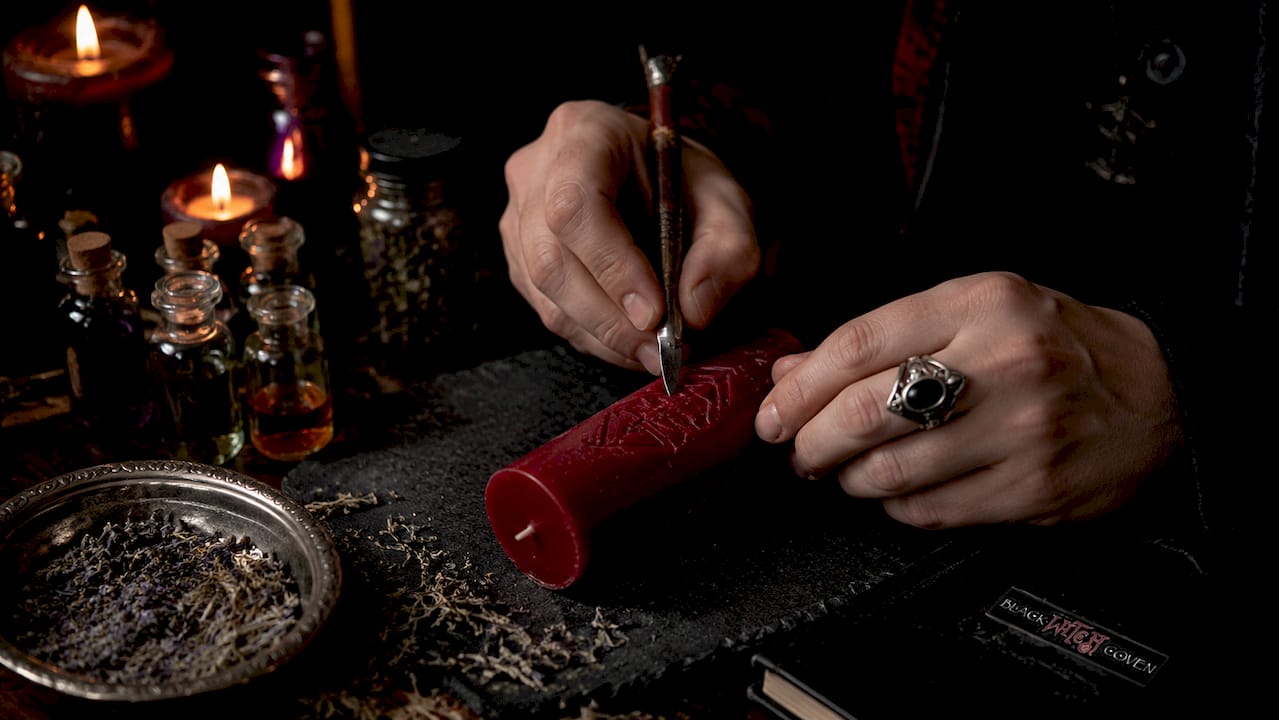
- Carve your intention. Use a pin, nail, or ritual knife to inscribe a word, name, sigil, or symbol into the wax. This carving acts as the address of the spell, directing its energy toward a specific target or outcome.
- Choose your oil. Select an essential oil that matches your goal. Rosemary for clarity, patchouli for money, rose for love. Always dilute the essential oil before applying it to the candle.
- Dilute properly. The safe ratio is approximately 1 drop of essential oil per teaspoon of carrier oil, such as jojoba or almond oil. Undiluted essential oils on wax near an open flame create a fire hazard.
- Dress the candle. Apply the diluted oil by rubbing from the center outward toward both ends. As you do this, hold your intention clearly in mind. This physical act encodes your focus into the wax.
- Add herbs if desired. Sprinkle dried herbs lightly onto the oiled surface. Press them gently so they adhere. Keep the amount modest. Heavy herb coatings can flare when the flame reaches them.
- State your intention aloud. Before lighting, speak your goal clearly. This verbal declaration completes the preparation and signals the beginning of the active spell.
The role of oils in candle spells is not decorative. Dressing and carving rituals enhance spell focus beyond what simple lighting achieves. The preparation phase is where the practitioner’s attention is most concentrated and most effective. Black Witch Coven’s guide on candle dressing basics covers this process in practical detail.
Pro Tip: Do all carving and dressing before you enter your ritual space. Front-loading the preparation keeps your focus clean once the flame is lit.
Why the flame itself is such a powerful focus tool
The sensory qualities of a candle flame make it one of the most effective concentration aids available to a spell worker. The moving light, the warmth, the faint crackle of the wick, and the scent of the wax or oil all engage multiple senses simultaneously. That multi-sensory input reduces mind-wandering and pulls attention back to the present moment.
This mechanism mirrors the ancient Indian meditation practice known as Trataka, which involves candle flame gazing to train sustained attention. Trataka sessions typically run 5–15 minutes. That range maps directly onto the focused burn periods used in candle spells. The overlap is not coincidental. Both practices use the flame as a visual anchor to build mental discipline.
“Effective candle magic integrates flame, wax, scent, and intention as an interconnected system rather than isolated components.” — Academy of Oracle Arts
The effects of candle magic on attention are cumulative. Each time the mind drifts and the practitioner returns focus to the flame, that attention loop strengthens mental discipline. Over repeated rituals, this trains the practitioner to hold intention with greater steadiness and depth. The flame does not just symbolize the spell. It actively builds the mental capacity to cast more effectively over time. For practitioners interested in deepening this aspect of their work, Black Witch Coven’s article on meditation and magick explores the connection further.
Choosing the right candle type for your spell’s timeline
Practitioners select candle types based on how long the spell needs to burn, not just how the candle looks. Burn duration is a functional choice that shapes the spell’s tempo and its energetic delivery window.
| Candle Type | Burn Time | Best Used For |
|---|---|---|
| Birthday candle | ~30 minutes | Quick intentions, fast results |
| Chime candle | 1–2 hours | Short spells, single-session workings |
| Tea light | ~4 hours | Medium workings, daily practice |
| Pillar candle | 20–40 hours | Extended work, multi-day spells |
| Vigil candle | Several days | Long-term workings, sustained petitions |
Chime candles and vigil candles represent opposite ends of the spectrum. Chime candles burn 1–2 hours and suit spells where you want a fast, concentrated burst of intention. Vigil candles burn for days and suit long-term work such as sustained protection, ongoing prosperity petitions, or deep reconciliation spells.
Practitioners carefully select candle type and burn duration to match the spell’s desired energetic delivery window. A money spell cast on a birthday candle sends a sharp, immediate signal. The same spell on a seven-day vigil candle builds pressure gradually over time. Neither approach is wrong. The choice depends on what the working requires.
The burning process itself symbolizes transformation. As the wax melts and the flame consumes the candle, the encoded intention releases into the working. The candle’s physical destruction is the spell’s activation. That is why snuffing a candle mid-spell without intention can disrupt the work. The burn should complete naturally whenever possible.
Key Takeaways
Candles work in spells because they combine symbolic color, sensory focus, ritual preparation, and burn duration into a single, unified system that translates intention into sustained physical action.
| Point | Details |
|---|---|
| Candles anchor intention | The flame gives the mind a physical focal point, reducing drift and sustaining spell focus. |
| Color encodes meaning | Matching candle color to spell purpose strengthens the working through sympathetic magic. |
| Preparation is the real work | Carving, dressing with diluted oils, and adding herbs encode personal intent before the flame is lit. |
| Sensory engagement builds discipline | Multi-sensory input from flame, scent, and warmth trains attention the same way Trataka meditation does. |
| Burn time matches spell goals | Chime candles suit fast workings; vigil candles sustain long-term petitions over days. |
What 16 years of candle work has taught me
The biggest misconception I see is that the candle does the work. It does not. The candle holds the work. That distinction matters more than most practitioners realize. A beautifully dressed, perfectly colored candle lit with a scattered mind produces weak results. A plain white candle lit with absolute, laser-focused intention produces real ones.
Front-loading the preparation, carving, dressing, and herb placement before entering ritual space is the single most effective habit I can recommend. Once the flame is lit, your only job is to hold the intention. If you are still fussing with oils and herbs after lighting, you have split your attention at the worst possible moment.
The attention loop that the flame creates is genuinely powerful. Every time your mind drifts and you bring it back to the flame and your intention, you are not failing. You are training. That return is the practice. Practitioners who understand this get stronger results over time because their mental discipline compounds.
Candle magic also rewards consistency over complexity. A simple green candle dressed with patchouli oil, lit every Friday for a month with clear prosperity intent, will outperform an elaborate one-time ritual performed without real focus. The purpose of candles in rituals is to create a repeatable, reliable structure for directed will. Use that structure consistently and it will serve you well.
— Black Witch Coven
Deepen your candle spell practice with Black Witch Coven
Black Witch Coven has spent over 16 years working with candle magic, demonic entities, and Left-Hand Path ritual across every major area of life, from wealth and love to protection and justice.

If you are ready to go further, Black Witch Coven’s library covers everything from black magic oils for spells to full ritual frameworks for serious practitioners. For those working with prosperity magic specifically, the Clauneck money spell combines candle work with demonic petition for results that go well beyond standard candle magic. Whether you are building a daily candle practice or preparing for advanced ritual work, Black Witch Coven has the resources to support every stage of that work.
FAQ
Why are candles used in spells and not other light sources?
Candles produce a living, moving flame that engages multiple senses simultaneously, making them far more effective as attention anchors than static light sources. The warmth, scent, sound, and visual movement of a candle flame create the multi-sensory environment that sustains ritual focus.
What does candle color mean in a spell?
Candle color encodes symbolic meaning through sympathetic magic. Green corresponds to prosperity, red to love, black to protection, and white to cleansing or general intention.
Do you have to dress a candle for it to work in a spell?
Dressing is not strictly required, but it significantly strengthens the working. Carving and anointing with diluted oils encode personal intention into the candle before the flame activates it, producing more focused and effective results than lighting a plain candle.
How long should a candle burn during a spell?
Simple spells typically run 10–20 minutes of focused burn time. Chime candles burn 1–2 hours for single-session workings, while vigil candles burn for days to sustain long-term petitions.
Can you reuse a candle between spells?
Practitioners generally avoid reusing a candle that was dressed and burned for one spell in a different working. The first spell’s intention is encoded in the wax. Starting fresh with a new candle keeps each working clean and clearly directed.
Recommended
- How to Light Candles & do Spells at Home in Secret – Black Witch Coven
- Candle Spells – Black Witch Coven
- How to do a basic candle dressing – Black Witch Coven
- Spells to Attract Casual Sex or have One Night Stands – Black Witch Coven
