
 New Years Eve Ritual 2026/2027 with Savannah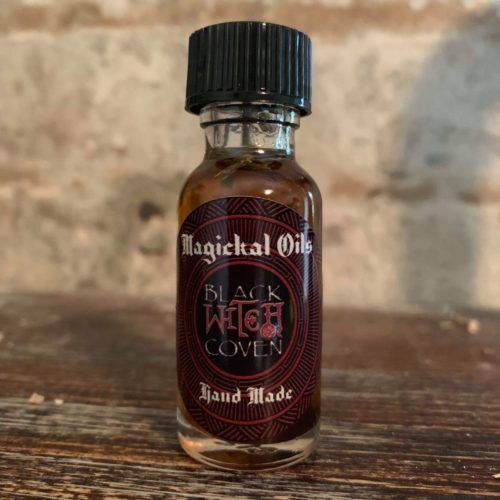
Myrrh has been burned, anointed, and offered for thousands of years. Its deep, resinous, slightly bitter aroma carries the weight of temple smoke, funerary rites, and sacred oil. Distilled from the hardened tears of the Commiphora tree, this oil remains one of the most respected substances in both spiritual and practical work.
Spirit and Occult Uses
In occult practice myrrh is valued for purification, protection, and the steadying of heavy or restless energy. It is frequently used to consecrate tools, cleanse ritual space, and create a sober, focused atmosphere for spirit contact. Many workers employ it when dealing with ancestral forces, underworld currents, or any working that requires gravity and respect.
Myrrh helps anchor volatile energy. It is often chosen for banishing residual interference, sealing a space after intense ritual, or supporting the practitioner during prolonged meditation and scrying. When paired with frankincense it forms one of the oldest and most effective sacred combinations known.
Ceremonial Magic
In ceremonial magic, myrrh was typically used as a sacred incense, an ingredient in anointing oils, and a substance for consecration and purification.
Its heavy, resinous nature made it especially suited to work that required gravity, containment, protection, or contact with denser spiritual forces. It was rarely used alone in large amounts; more often it was blended with frankincense or other resins to create a balanced temple incense.
A common traditional application appears in planetary and temple work associated with Saturn or with general consecration.
A ceremonial magician preparing for a serious rite (for example, a consecration of tools, a binding, or a working involving restriction, endurance, or underworld currents) would prepare an incense containing myrrh. One straightforward historical-style blend is:
- Frankincense (for elevation and clarity)
- Myrrh (for grounding, sealing, and gravity)
The mixture would be burned on charcoal in a censer at the beginning of the ritual to purify the space and establish a sober, focused atmosphere. The magician might also anoint the four corners of the altar or the handle of a ritual dagger with a small amount of myrrh diluted in a carrier oil while reciting the appropriate consecratory words.
In this way myrrh served both as an offering that “fed” the working and as a practical means of marking the boundary between ordinary space and the consecrated temple. The rising smoke was understood to carry the intention upward while the dense quality of the resin helped keep the energy of the rite contained and controlled.
This combination of frankincense and myrrh remains one of the oldest and most frequently repeated formulas in Western ceremonial practice precisely because it balances ascent with stability.
Additional Uses
myrrh was used in practices connected to exorcism and the driving out of unwanted spirits, though more in traditional, folk, and ceremonial contexts than as a primary ingredient in formal ecclesiastical exorcism rites.
Myrrh’s long-standing reputation for purification, protection, and the ability to create a heavy, sobering atmosphere made it suitable for fumigation when the goal was to cleanse a person, object, or space of disruptive or intrusive forces. Burning myrrh (often mixed with frankincense) was believed to help clear residual or parasitic influences and to restore a sense of order and containment.
In ceremonial and folk magical practice, a magician or healer might burn myrrh resin on charcoal while performing prayers, invocations, or commands directed at removing an unwanted presence. The smoke was understood to both purify the environment and create conditions less hospitable to lighter or chaotic spirits. Some traditional anointing formulas that included myrrh were also applied to the body or to thresholds for protective and banishing purposes.
It is worth distinguishing this from the official Roman Catholic Rituale Romanum exorcism procedures, which center on specific prayers, holy water, blessed salt, the sign of the cross, and the authority of the Church rather than on any single resin. Myrrh appears more consistently in the wider stream of Mediterranean, biblical-influenced, and grimoire-based purification and banishing work than in the strictly liturgical rite.
In short, myrrh was definitely employed in exorcistic and spirit-clearing contexts, particularly as a purifying incense and protective agent, even if it was not the dominant substance in formal Church exorcism manuals.
| Weight | 0.2 lbs |
|---|---|
| Oil Size | 2dr, 2oz, Small .5oz |
Only logged in customers who have purchased this product may leave a review.
You may also like…
Related products

*Oils By Solution
Reviews
There are no reviews yet.