
 New Years Eve Ritual 2026/2027 with Savannah
Blog
The truth about Psychic Vampires
Jun
Psychic Vampirism: Signs, Protection Techniques, and Energy Boundaries
Author: Edwin
What Is Psychic Vampirism?
Psychic vampirism is a term used in occult traditions to describe the perceived draining, manipulation, or intrusion of another person’s spiritual or psychic energy. It is often associated with people who leave others feeling emotionally exhausted, mentally overwhelmed, or spiritually unsettled after an interaction.
Within certain magical traditions, psychic vampirism is understood as more than an unpleasant social encounter. Practitioners may interpret it through the language of energy exchange, psychic influence, spiritual boundaries, and astral activity.
But what does it really mean to encounter a psychic vampire? How does the concept relate to psychic attacks, and what can a practitioner do to protect themselves?
To understand the subject, we must look beyond the popular image of a vampire and explore the occult ideas surrounding energy, intention, and spiritual defense.
What Does a Psychic Vampire Do?
In occult discussions, a psychic vampire is generally described as someone who draws upon another person’s energy, whether consciously or unconsciously. The term can refer to several different experiences, and not every person who leaves you feeling exhausted should automatically be labelled a psychic vampire.
Some people dominate conversations, repeatedly demand emotional attention, create conflict, or manipulate others into providing constant reassurance. These behaviours can be draining without requiring a supernatural explanation.
In magical practice, however, some practitioners interpret particular encounters as a form of unwanted energetic exchange or psychic interference.
Commonly described experiences include:
- Feeling unusually depleted after interacting with a particular person.
- Experiencing persistent emotional unease following a conflict.
- Feeling that another person is attempting to dominate or manipulate your attention.
- Having recurring dreams or spiritual experiences that you interpret as intrusive.
- Feeling vulnerable when dealing with someone who repeatedly disregards your boundaries.
These experiences deserve thoughtful attention, but they do not independently prove that psychic vampirism or a supernatural attack has occurred. Discernment is essential when interpreting unusual experiences.
Psychic Vampirism and the Astral Plane
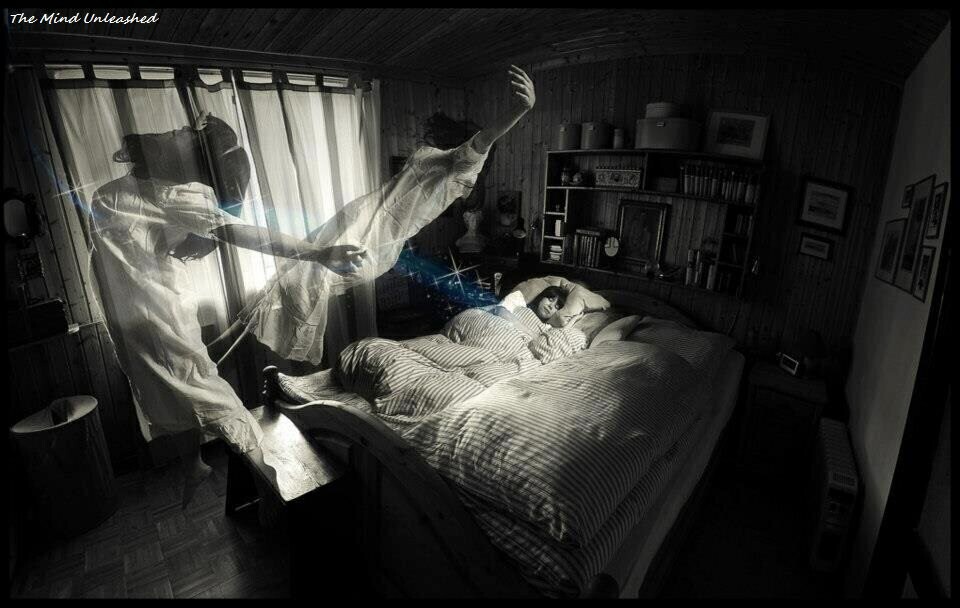
The astral plane occupies an important place in many esoteric and occult systems. Depending on the tradition, it may be understood as a spiritual realm, a dimension of consciousness, or a setting encountered during astral projection and other spiritual practices.
Within these traditions, psychic attacks are sometimes described as attempts to influence another person’s spiritual condition through intention, ritual, or astral activity.
Some practitioners believe that hostile individuals can direct harmful intentions toward another person during periods of vulnerability. Others understand such experiences symbolically, psychologically, or through the language of dreams and altered states of consciousness.
The distinction matters. An unsettling dream or sudden feeling of fear is not sufficient evidence that someone has attacked you on the astral plane.
For practitioners who work within an occult framework, the useful question is not simply whether an attack has occurred, but how to maintain clarity, strengthen personal boundaries, and respond without allowing fear to control everyday life.
Can Psychic Vampires Attack You Spiritually?
In certain magical traditions, psychic vampirism is discussed alongside spiritual warfare, curses, energy manipulation, and psychic defense.
Practitioners may use ritual symbolism to describe perceived spiritual conflict. The methods and interpretations differ considerably between traditions, and there is no established scientific evidence that people can literally steal another person’s spiritual energy through supernatural means.
Nevertheless, the experience of feeling threatened, manipulated, or emotionally depleted can be very real.
A practical approach combines spiritual discernment with ordinary protective measures. Consider whether a person repeatedly violates your boundaries, whether an interaction leaves you distressed, and whether there are identifiable patterns in the relationship.
You do not need to prove a supernatural explanation before taking steps to protect your time, privacy, emotional well-being, and personal space.
Signs You May Need Stronger Spiritual Boundaries
Rather than immediately assuming that someone is a psychic vampire, examine the circumstances surrounding your discomfort.
Ask yourself:
- Does this person repeatedly ignore my boundaries?
- Do I feel pressured to give more time, attention, or emotional support than I can reasonably offer?
- Does the relationship involve intimidation, guilt, or persistent conflict?
- Am I interpreting ordinary stress or exhaustion as evidence of a psychic attack?
- What practical changes would help me feel safer and more in control?
These questions help separate observable behaviour from spiritual interpretation.
In witchcraft, discernment is an important skill. Not every unpleasant encounter requires a curse, banishing ritual, or elaborate magical response. Sometimes the most effective action is to withdraw your attention, end an unhealthy interaction, or refuse further access to your personal life.
Psychic Protection in Witchcraft
Many magical traditions incorporate protective practices intended to establish boundaries and reinforce a practitioner’s sense of spiritual security.
Depending on your tradition, these may include:
1. Cleansing rituals
Some practitioners use incense, ritual bathing, prayer, or other traditional cleansing practices to mark the end of a difficult interaction and symbolically release unwanted influences.
2. Protective visualization
Visualization can help establish a clear mental boundary. You might imagine a protective barrier surrounding you while focusing on calmness, confidence, and the right to control your personal space.
3. Protective charms and symbols
Talismans, amulets, and protective symbols appear in numerous magical traditions. Their meanings depend on the specific system in which they are used.
4. Banishing and boundary-setting
Within ceremonial magic and other forms of witchcraft, banishing rituals are used to mark boundaries and remove what the practitioner considers unwanted influences from a ritual space. Outside ritual practice, setting firm interpersonal boundaries can serve a similarly important purpose.
5. Grounding and reflection
Quiet reflection, journaling, meditation, and adequate rest can help you assess your experiences without becoming consumed by fear. These practices are particularly useful when an unsettling encounter continues to occupy your thoughts.
No ritual should be treated as proof that a supernatural attack has occurred, and spiritual practices should complement—not replace—practical steps to address harassment, abuse, or serious distress.
Do Not Allow Fear to Control Your Practice
One of the greatest dangers in discussions of psychic vampirism is the tendency to interpret every setback, disagreement, or uncomfortable sensation as evidence of an attack.
This can leave a person constantly searching for an invisible enemy rather than addressing the circumstances they can actually change.
A serious occult practitioner should develop discernment alongside magical knowledge. That means learning to distinguish personal intuition from fear, spiritual symbolism from verifiable events, and meaningful ritual from an impulsive reaction.
You can explore the occult without surrendering your judgment. You can practise spiritual protection without assuming that everyone who upsets you is working against you.
Most importantly, you can refuse to let another person’s behaviour determine your sense of personal power.
Final Thoughts: Knowledge, Discernment, and Protection
Psychic vampirism remains a compelling subject in occult discussions because it brings together questions of personal power, energy, influence, and spiritual boundaries.
Whether you understand the concept through a magical tradition, a psychological framework, or a combination of perspectives, the central lesson remains useful: pay attention to the relationships that leave you feeling diminished, recognise harmful patterns, and take responsibility for protecting your well-being.
Within witchcraft, spiritual protection is not simply about defending yourself against an imagined enemy. It can also be an exercise in discipline, self-knowledge, and the conscious management of your own attention.
Study the traditions. Practise discernment. Establish firm boundaries.
And never allow fear to become more powerful than your own judgment.
Explore more occult teachings, witchcraft practices, and spiritual perspectives at Black Witch Coven.

May I ask a respectful question as a fellow practicing black witch and psychic vampire? Did I correctly detect you flexing your psychic muscles in this video? That is nifty. I’ve been thinking a lot about the magickal applications of video and the internet lately. Pretty cool.
Good stuff. Let me know what you get up to then 🙂