
 New Years Eve Ritual 2026/2027 with Savannah
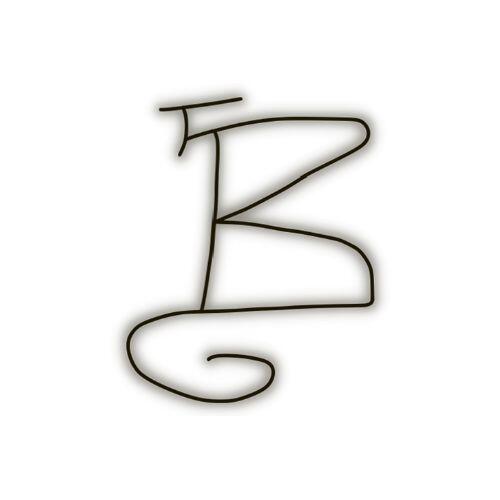
MAMMON
Mammon is the old god of money itself: not the love of it, but the living force behind everything that is bought, sold, saved and spent. Where wealth gathers, he is already there.
Mammon is the deity of money and wealth. He is the personification of greed and the God of excess (FUCK YEAH). By summoning Mammon, you could receive great riches and meet your life goals. Mammon doesn’t just help you with your financial gains; he can also help you accomplish your goals. So don’t be lazy, paint yourself a dream, and make it happen with Mammon!
Who Mammon is to practitioners today
Mammon is the spirit of wealth, treasure and material increase: the power the old Christians warned against when they said no one can serve two masters, and the one a great many witches and magicians now serve on purpose.
He is not a Goetic King caught in Solomon’s brass vessel. He has no seal in the medieval grimoires, because the men who wrote them treated “mammon” as a sin rather than a being.
Modern practitioners meet him as something far older and plainer: the genius of money, hard-headed, patient and strangely loyal to the people who take money seriously. Those who work with him describe a tough, stern presence that will, as one put it, have your back once you earn it. He favours builders and keepers of wealth over the desperate and the idle, and he is said to lose interest fast in anyone who only wants a lottery win.
This page starts with how people actually work with him now, the prayers they use and the questions they ask, and ends with what the old writers said.
Why people work with Mammon
People search for the right spirit for the right purpose. These are the reasons practitioners come to Mammon, from the oldest and best-known to what people actually ask him for today.
Classic reasons
- Riches: gold, silver and treasure, the oldest meaning of his name
- Abundance: more than enough, a life of plenty rather than mere survival
- Trade and commerce: power over everything that is bought and sold
- Keeping wealth: not only gaining money but holding and growing it
- Worldly success: status, property and the comfort that money buys
- Greed as a force: the drive to acquire, named a sin by the Church and a power by those who work with him
Modern reasons
- Business and self-employment: people pray to Mammon to grow a company, land clients and raise their prices
- Debt: many work with Mammon when they are buried in debt and need new income to appear
- Career money: petitions for a raise, a better contract, a bonus or a promotion that pays
- Investments and property: practitioners cast spells with Mammon over deals, portfolios and the purchase of a home
- Steady cash flow: some summon Mammon less for a windfall than for a reliable, growing stream
- Breaking a poverty pattern: working on the beliefs and habits that keep a person broke
- Negotiation: calling on Mammon before a sale, a salary talk or a price that must be held
- Discipline with money: asking him for the patience to save, build and stop leaking money
- Attracting opportunity: new work, offers and openings arriving rather than a lump sum
- Protecting what you have: guarding savings, a business or an estate against loss
- Ambition itself: people invoke Mammon to want more without shame, to “paint a dream and make it happen”
- A patron of the material path: some take him as the deity of their whole working life, not a one-off spell
Traditional, for reference
What the old writers and demonologies assign him. This is historical background, not modern practice.
- The Gospels: “mammon,” an Aramaic word for wealth, set against God in the teaching that no one can serve two masters (Matthew 6:24; Luke 16:13)
- Binsfeld’s princes (1589): the demon of greed, one of the seven princes of Hell paired with the deadly sins
- Milton, Paradise Lost: “the least erected spirit that fell,” a fallen angel whose eyes were always on Heaven’s golden pavement rather than on God
- Medieval personification: a false god of avarice, treated as an idol whom the covetous were said to worship in place of the divine
- Later demonologies: ranked among the hierarchy of Hell as its treasurer, keeper of its wealth
Spirit Temperament
Ease of working: 5/10
How easy Mammon is for a witch, magician or devotee to work with
- Beginner-friendly: 🔥🔥
Workable but demanding. He tends to test people who come to him carelessly, and he prefers your full attention while a working is live. - Human tolerance: 🔥🔥🔥
Fair rather than warm. He respects effort and seriousness, and has little patience for desperation, idleness or empty flattery. - Intensity: 🔥🔥🔥🔥
A heavy, hard, mercantile presence. Many feel him as pressure and appetite rather than light. - Upheaval factor: 🔥🔥🔥🔥
He often reorders your whole relationship with money first, and that can mean a stretch of ruin before the new footing arrives. - Speed: 🔥🔥🔥
Opportunities can come quickly; lasting wealth is built at the speed of the work you put in behind it. - Demands: 🔥🔥🔥🔥
He expects real effort, consistent offerings and that you treat money with respect. Many say he dislikes being idolised or begged.
Best for: business growth, getting out of debt, building and keeping wealth, and practitioners ready to change how they handle money rather than wait for a windfall.
Scores are Black Witch Coven’s view, drawn from practitioner reports and our own work.
Mammon at a glance
- Other names: Mammon, Maymon, Memon; the Aramaic māmōnā, “wealth” or “riches”
- Name: from an Aramaic word for money and property; the same root gives modern Hebrew mamon, “wealth”
- Rank: no grimoire rank; named a prince of Hell and its treasurer in later demonology
- Office: wealth, riches, trade, greed and the keeping of treasure
- Sin: avarice, in Binsfeld’s pairing of the seven princes with the deadly sins
- Enn: Tasa Mammon on ca lirach (a modern demonolatry enn; the old texts give him none)
Correspondences
Used in Black Witch Coven (from our own practice):
- Rank: Treasurer of Hell
- Direction: North
- Planet: Jupiter, the planet of increase and fortune
- Metal: Gold
- Element: Earth
- Colours: Gold, black, rose gold, red, yellow, orange
- Incense: Oudh, frankincense, myrrh
- Plants: Devil’s claw, bloodroot, patchouli, hemlock, calamus
- Offerings: Gold, citrine, tea
- Tarot: the Queen of Pentacles, the card of the comfortable, provided material life
Also used by other practitioners:
- Day: Thursday, the day of Jupiter, for growth and gain
- Stones: Citrine, pyrite, green aventurine, jade, emerald
- Metals: Gold and, for some, silver as its lunar partner in trade
- Resins: Dragon’s blood resin, burned to lend force and drawing power to a wealth working
- Offerings: Coins, notes, dark chocolate, strong black tea or coffee, a measure of good whisky
- Symbols: A full purse, a key, a ledger, a scale, anything that stands for stored value
Working with Mammon today
Because Mammon has no grimoire ceremony, there is no conjuration to copy out and no circle of constraint. What has grown up instead is a quieter, more mercantile practice: a working relationship with the spirit of money, built the way you would build one with a hard but fair business partner. This is how practitioners approach him now, and how we work with him in Black Witch Coven.
Money as sacred to him
The single most consistent piece of advice is that Mammon answers people who respect money rather than despise or chase it. Practitioners who keep their finances in order, who know what they earn and owe, and who handle even small sums with care report a far warmer response than those who come to him in a panic. Many count putting their accounts in order as their first offering.
His sigil and enn
- Draw his sigil by hand and keep it on the altar; the older sigils attached to his name are modern, so many practitioners design or consecrate their own
- Chant the enn Tasa Mammon on ca lirach slowly, letting it settle into a steady rhythm like counting coins
- Gaze at the sigil by candlelight until the room feels dense and still
- A second enn from our students, Mammon Liftoach Qliphoth, is used to ask Mammon to strengthen further spells
- Anoint the sigil, a coin or a candle with a wealth oil to carry the intent
The altar
- His sigil, hand-drawn
- A gold, orange or black candle
- Coins and notes, real ones, kept and not spent while the work is live
- Citrine or pyrite for stored, shining wealth
- Oudh, frankincense or myrrh incense, with dragon’s blood resin for extra force
- A small dish of tea, and something rich and sweet
- A symbol of the specific goal: a business card, a mortgage letter, a bill to be cleared
Offerings
- Coins and notes: given to the altar, or set aside as a dedicated fund you build rather than spend
- Tea, coffee and whisky: strong, dark drinks
- Dark chocolate and rich food
- Citrine, pyrite and gold
- Blood: a drop of your own blood on the coin or the candle, life force given with the gold
- Acts rather than objects: many practitioners say the offering he values most is wealth-building itself — saving, investing, growing and keeping, and in some accounts giving a fixed share to a cause as the work succeeds
A recurring theme in practitioner circles is that Mammon dislikes being idolised or begged, and that favour is earned by accumulating and holding, not by grand promises. Practitioners say he watches whether a promised offering is given and whether the work shows in their books.
Timing
- Thursday: the day of Jupiter, for increase
- Waxing moon: for drawing money in and growing it
- The start of a venture: a new job, a launch, a quarter, a tax year
- Before a money conversation: a pitch, a sale, a salary talk, a negotiation
A simple petition working
- Set his sigil with a gold or orange candle during a waxing moon
- Write the exact sum or result you want, in the present tense, and sign it
- Name plainly what you will do in the world to meet him halfway, and what you will give him in return
- Read it aloud, then light the paper and let it burn to ash in a fireproof bowl
- Say: “Mammon, I give you this offering truthfully and honestly. So be it.”
- Let the candle burn down safely, chanting the enn as it does
- Keep one charged coin in your wallet until the matter is settled, then give thanks
The petition our earlier page used, written in your own language so that it flows easily from the tongue:
To Mammon,
Oh Mammon you are known as the god of money and from you all wealth springs.
Your power is over everything that is bought or sold.
All that comes from money is yours.
This power I ask from you.
Let it be mine.
Give this power to me, Mammon.
Let it be mine.
Give me your power, Mammon.
Let your money be mine.
It is worked in a waxing moon with an orange or black candle, read aloud, then burned in the ritual bowl with the words “Mammon I give you this offering truthfully and honestly, so be it,” and the candle is left to burn to completion while the letter is read again or the enn chanted.
The mirror working
An older practice calls Mammon through a large mirror set on the floor, strong enough to stand on. In a dim room you light incense and a black taper on the glass, hold coins in your left hand and meat in your right as the offering, step onto the mirror barefoot, chant his enn and state your purpose, then watch and listen in trance for his presence to answer. It is a striking rite and a demanding one, and practitioners count it a deep working rather than a first contact.
Signs of contact
- A sudden, broad grin or a face that keeps surfacing in the mind’s eye, reported more than once
- A heavy, dense, weighty feeling in the room, like pressure on the chest
- Money thoughts arriving with unusual clarity: a plan, a number, a decision
- Candle flames crackling or guttering at the moment you state your purpose
- Unexpected work, offers or small sums appearing soon after
Working with Mammon alongside other spirits
Many practitioners find Mammon prefers to be the focus while you work with him, especially early on, and some report that splitting your attention across several spirits at once muddies his results. This eases as the relationship matures. Those who keep a mixed practice use divination beforehand to learn how he wants to be approached. He pairs most naturally with Jupiterian and earthy powers of increase.
Our coven has seen Mammon attack students who called on him without consideration, and students who worked with other demons while working with him, which is why divination comes first in our own practice.
Pacts and deals
Mammon is a spirit of exchange by nature, so a clear bargain suits him. A typical modern agreement:
- Is written by the practitioner
- Names one measurable goal, such as a sum cleared, a revenue figure or a property secured
- Sets a term, often a quarter, six months or a year
- States the exchange: a share of the gain, an ongoing offering, a discipline you will keep
- Is signed in your own hand beside his sigil, and may be sealed with a single drop of your own blood, since blood is life force and nearly every faith speaks of it as life itself
- Is kept on the altar until the term ends, then honoured in full
If you would like a pact made with an experienced guide, see our Demonic Pact with Savannah.
Inside the Course
The full binding pact with Mammon, and the long wealth-building workings that tie your fortune to his current over a term, are taught inside our course. Pact material of this kind has had our site flagged by hosting companies before, and we have been taken offline and forced to change hosts because of it. That is not a sales pitch, only the reality of running a site like ours.
Prayers and invocations to Mammon
Mammon is not prayed to the way a gentle patron is; most people address him plainly, as a powerful partner in trade. The prayers below are written by Black Witch Coven for your own use. Speak them as they are, or let them show you the shape of a prayer and then use your own words, which many say he prefers.
How people pray to him
- Plainly and confidently: clear statements of what you want and what you offer, not pleading
- Over money itself: a prayer said with coins in hand, or over the ledger or the bill in question
- Written and burned: a petition composed, read aloud, then given to the flame
- Candle colours: gold for wealth and increase, green for money drawing, black for protecting what you hold
- Repetition: a short prayer or the enn repeated each day a working is live
Prayer and petition
A prayer keeps the relationship: respect and thanks with nothing attached, which practitioners say builds the trust that makes later requests land. A petition asks for something specific, names the sum, the term and what you give in return, and is written and placed under his sigil. With Mammon, the petition that names a real number and a real plan tends to work better than a vague wish for “more.”
His enn
Tasa Mammon on ca lirach
Chant it slowly and evenly while a wealth candle burns, letting it keep a steady beat. Most people chant it to open a working and to carry it while the candle consumes.
Opening invocation
Mammon, keeper of the treasure of the world,
lord of all that is bought and sold,
I open this work in your name.
Come to this place with your weight and your fortune.
I meet you as a partner, not a beggar.
Tasa Mammon on ca lirach.
Hail Mammon.
Spoken as the candle is lit and the enn has begun.
Prayer for increase
Mammon, from you all wealth springs,
and your power is over everything that is bought or sold.
Turn that power toward me.
Let money come to my hand and stay there,
let it grow where I plant it,
let what I build hold.
Give me your fortune, Mammon, and I will keep it well.
Said with coins in hand before a gold or green candle.
Prayer to clear a debt
Mammon, lord of the ledger,
you know what I owe and to whom.
Open the ways that bring the money in
to cover it and more.
Let work find me, let offers come,
let the weight lift from my name.
I will not waste what you send.
Said over the bill or statement, with the sum written beneath his sigil.
Prayer for a venture
Mammon, bless this venture with riches and gain.
Guide my hand to wise choices and sound deals.
Open doors to new opportunity,
let my work be seen and paid what it is worth,
and let abundance flow with ease.
By your name, I build.
Said at the start of a business, a launch or a new quarter, with a gold candle and a symbol of the work on the altar.
Prayer to protect what you hold
Mammon, treasurer, keeper of the hoard,
close your hand around what is mine.
Guard my savings, my work and my home
from loss, from theft, from the slow leak that empties a purse.
What I have gathered, let me keep.
What I keep, let it grow.
Said with a black candle over the thing to be guarded, or its symbol.
Gratitude and offering prayer
Mammon, I thank you
for the money that came,
for the doors that opened,
for the work that found me.
I give you this offering truthfully and honestly,
as one who means to keep building with you.
Hail Mammon.
Said as the offering is placed. Name it aloud before you begin.
Invocation from our earlier page
Mighty Mammon, spirit of wealth and prosperity,
I call upon you to join me in this sacred space.
With an open heart and clear intention, I seek your guidance.
Bring forth your abundance and grant me your favor.
Let your golden light fill this place,
As I strive for success and material gain.
I offer these tokens as a sign of my respect,
And invite you to share your wisdom and power with me.
Mammon, I welcome you.
Bless my efforts and open the doors of opportunity.
So mote it be!
Said at the altar after the candles and incense are lit, with the offerings in place.
Chant for business success
Mammon, spirit of wealth and prosperity,
I call upon you, come forth with your might.
Bless my endeavors with riches and gain,
Let my business grow and prosper without strain.
Guide my hand in wise choices and sound decisions,
Open doors to new opportunities,
Bring to me success in all my endeavors,
And let abundance flow with ease.
As I work with dedication and strength,
I ask for your favor, to grow my wealth,
May my business thrive, my profits soar,
With your power, Mammon, I ask for more.
By your name, I manifest prosperity,
Through hard work and determination,
I am open to your wealth and opportunity,
Mammon, I thank you for your guidance,
And trust in your strength.
Questions people actually ask
These are the questions that come up again and again in demonolatry, witchcraft and money-magick communities, answered the way we would answer them.
Is Mammon a demon or a god?
Both labels get used. In the Gospels “mammon” is simply an Aramaic word for wealth, turned into a rival to God. Medieval writers made that word into a demon of greed, and Binsfeld counted him among the seven princes of Hell.
Many modern practitioners experience him less as a fallen angel than as the living genius of money itself, old, impersonal and powerful. How you frame him matters less than how you treat him.
Why does he have no sigil in the grimoires?
Because the grimoire tradition never catalogued him as a working spirit. He was a sin and a false idol to the men who wrote the Goetia and the Pseudomonarchia, not a King to be summoned.
The sigils you see attached to his name today are modern, drawn by demonolaters and chaos magicians. That is not a weakness; it means you are free to consecrate a sigil that works for you.
Will he just make me rich?
He is the spirit of wealth, and money is exactly his office, but practitioners are near-unanimous that he works through you, not around you. He tends to open opportunities, sharpen your money sense and push you to act, rather than drop a windfall in your lap. The people who report real results pair the working with real effort: applying, selling, pricing, saving, building.
Is he good for beginners?
He is workable early, but he is demanding, and several practitioners describe him testing those who come to him carelessly. Practitioners who felt him calling describe putting their own finances in order first, coming to him with respect rather than in a panic, and using divination before the first working. They report that he meets people who take money seriously.
What offerings does he actually want?
Coins, notes, tea, rich food, dark chocolate, citrine and pyrite are all common. But the offering most practitioners name as the one he truly values is wealth-building itself: saving, investing, growing and keeping, and in some accounts giving a set share to a cause as you succeed. He is said to dislike being idolised or begged, and practitioners give concretely and let their books show the respect.
Can I work with Mammon and other spirits at once?
You can, but many report he prefers your focus while a working with him is live, and that juggling several spirits early on can muddy his results. The relationship loosens as it deepens. Those with a mixed practice ask him through divination how he wants to be approached.
Does he test people, and how?
Practitioners often describe a testing quality to Mammon. He tends to reorder your whole relationship with money before the gains settle, which can mean a stretch where things feel worse — old leaks exposed, bad habits brought to a head, a lean patch before the turn. As one much-quoted line puts it, there are times everything falls to ruin, and from the ashes a new self and a new footing emerge. Most who stay with him describe this as the real work.
Is Mammon the same as Lucifer or Satan?
No. He is sometimes grouped among the princes of Hell with them, but he is his own power, narrow and specific: wealth and the keeping of it. Lucifer deals in knowledge and self-liberation, Satan in sovereignty and rebellion. Mammon deals in money.
People who work with several of them describe his presence as distinctly heavier and more mercantile.
Do I have to be greedy to work with him?
Practitioners say he answers people willing to want. The Church named him the demon of avarice precisely because he blesses the appetite to acquire, and he answers people who own that appetite rather than apologising for it. That is not the same as recklessness; practitioners say he rewards disciplined wanting, the drive to build and hold, far more than frantic grabbing.
He showed me a grinning face. What does that mean?
A broad grin, or a face that keeps surfacing unbidden, is one of the more commonly reported first contacts with Mammon. Practitioners read it as him making himself known and taking an interest. Thank him, keep up your candle and offerings, and ask through divination what he wants from you next.
Is it dangerous to break a deal with him?
Practitioners treat a bargain with Mammon like a debt to a hard creditor, honoured in full and on time. The clearest report in practitioner circles is that an unkept promise costs the most: where the exchange is kept clean he is said to keep his side, and where an offering is left unpaid his interest, and his favour, tends to go with it.
What works, what doesn’t
These patterns come from first-hand accounts in money-magick and demonolatry communities, practitioner blogs and our own coven. None of it is a rule, and accounts sometimes contradict each other.
What practitioners report works
- Respecting money. Orderly accounts, careful handling of small sums, a clear picture of what you earn and owe.
- Naming a real number. A specific sum and term land better than “more money.”
- Doing the material work. Selling, applying, pricing, negotiating and saving alongside the spell.
- Consistent offerings. Given when promised, not only when you want something.
- Building and keeping. Treating wealth-building itself as the devotion.
- Patience through the lean patch. Staying with him when he reorders your finances before improving them.
What practitioners report working less well
- Pleading. Practitioners report that pleading and panic meet a closed door.
- Idolising him. Several report he dislikes worship for its own sake; he wants results, not adoration.
- Chasing a windfall. Lottery-style requests with no plan behind them rarely land.
- Splitting focus early. Working many spirits at once can muddy his results before the relationship is established.
- Carelessness. Coming to him sloppily, or forgetting a promised offering, is the fastest way to lose his attention.
- Spending the working’s money. Burning through what he sends, rather than building with it, undercuts the whole exchange.
What people report from their first months
- Coming to him in a financial panic before settling themselves
- Asking for “wealth” with no figure, plan or term
- Expecting a windfall and doing nothing in the material world
- Skipping divination and launching straight into a deal
- Promising an offering or a share and failing to deliver it
- Treating him as a gentle guide rather than a hard business partner
What changed when they kept going
People who stay with Mammon describe a shift in their whole relationship with money, more than a single payout. They stop fearing it, stop leaking it, start building and keeping it, and start wanting without shame. Many say the real gift was becoming someone money stays with, and that the income which followed felt like the natural result of that change.
The darker work: greed, rivals and ruin
Mammon is the demon of avarice, and people do not only bring him clean petitions. They bring him rivalry, debt owed to them, and the wish to see a competitor fall. We would rather explain that side than pretend it does not happen.
Workings against a rival in money
Some practitioners bring Mammon work aimed at a business rival, a creditor, a cheating partner or someone who owes them: to pull the money toward themselves and away from the other, to make a debtor pay, or to close a competitor’s doors. This is baneful commerce, and it is handled very differently from a simple prosperity spell.
Inside the Course
The money workings practitioners bring against a named rival, debtor or competitor through Mammon are taught inside our course. Baneful material aimed at a specific person is a large part of why hosting companies have flagged our site in the past, and why we have been taken offline and had to move hosts. We say that plainly; it is not a pitch.
What the old writers say
The living practice above is the real work. The old writers are its background, and they are worth knowing, because almost everything people assume about Mammon comes from Christian moral writing about wealth.
The Gospels
Mammon enters the written record not as a being but as a word. In the Sermon on the Mount, Jesus says, “No man can serve two masters… Ye cannot serve God and mammon” (Matthew 6:24, King James Version; the saying is repeated at Luke 16:13). Mammon is an Aramaic word for wealth or property.
The verse set money against God so sharply that later readers began to hear a rival deity in it, and a demon was born from a noun.
The personification
By the Middle Ages, writers and preachers spoke of Mammon as a false god whom the covetous worshipped in place of the true one, an idol of gold. The word had become a figure: the spirit people serve when they serve money. The 1909 painting The Worship of Mammon by Evelyn De Morgan shows him as a cold, golden idol, a woman cast down at his feet, and captures exactly how the Christian imagination pictured him.
Binsfeld and the seven princes
In 1589 the demonologist Peter Binsfeld set out the pairing of seven chief demons with the seven deadly sins that is still quoted today. In that scheme Mammon is the prince of greed, beside Lucifer for pride, Asmodeus for lust, Leviathan for envy, Beelzebub for gluttony, Satan for wrath and Belphegor for sloth. This is the source of his rank as a prince of Hell and, in later demonologies, its treasurer.
Milton’s Paradise Lost
John Milton gives Mammon his most memorable portrait. He is “the least erected spirit that fell from Heaven,” a fallen angel whose gaze, even in Heaven, was always downward, admiring the golden pavement more than God.
In Hell’s council he argues against war with Heaven and for making the best of their new kingdom by mining its riches, and it is his crew who tear the gold from the ground to build Pandemonium. Milton made him the patron of those who would rather dig than worship.
Mammon as Zeus
High Priestess Maxine Dietrich of the Joy of Satan wrote that “Mammon” is not this god’s real name, only a Hebrew word for money applied to him through misinterpretation, and that in their workings the Greek god Zeus answers to “Mammon.”
The moralists and the practitioners
- Stance: a sin to be renounced in Christian moral writing; an old power of wealth honoured and worked with in practice
- Greed: a deadly sin in Binsfeld’s scheme; a drive to acquire and build for those who work with him
- Exchange: renunciation in the one; a clear bargain and real effort in the other
- Aim: the soul kept from gold in the one; command of one’s material life in the other
From our coven
Mammon Bring Our Silver, a poem by one of our members:
Mammon brings our silver, Belphegore our gold:
Bring us all the treasure we can have or hold.
Belial, give both real diamonds and the morning dew;
Give us shining sapphires and skies of healing blue.
We’ll not just have emeralds, but leaves so new and green;
Roses match the rubies in which we are seen.
Belial, who gave treasures to your children small,
Teach us how to love them and grow like them all.
Make us bright as silver, highly prized as gold;
Ashtaroth, like roses, let friendships unfold.
Gay as leaves in springtime, or straight as a pine;
Verrine, whose magick’s healing, keep our bodies fine.
Black Witch Coven’s view
We find Mammon to be the plainest and hardest of the wealth spirits, and one of the most reliable once you earn him. He will not be flattered, begged or idolised, and he will not rescue the careless. What he answers is respect for money and the will to build. The Church named him a sin, and in our experience he answers: he meets people in this world, where they live, and raises them out of want. Those who come to him with their accounts in order, name a real figure, keep their word and build with what he sends are, in our experience, the ones money starts to stay with.
Work with Mammon through Black Witch Coven
- Mammon Oleum: for anointing candles, coins, sigils and your own altar work
- Mammon Ritual Kit: the tools gathered for a wealth working
- Candle for Demonic Request: a petition to Mammon burned on our altar for you
- Monthly Demonic Praise Subscription: ongoing devotion on your behalf
- Demonic Pact with Savannah or a Demonic Pact with a Junior Coven Member: for a pact with Mammon
- The Goetia Devils: a compendium of the infernal spirits
As with all magick, results are never guaranteed.
Related spirits
- Lucifer: the Light-Bearer, for self-liberation and the knowledge behind ambition
- Satan: for sovereignty, strength and the will to rise
- Belial: King of the material world, for earthly power and worldly standing
- Bael and Paimon: Goetic Kings often worked alongside wealth spirits for favour and skill
- Other spirits of wealth and fortune: Clauneck and Bune
Sources
| Matthew 6:24 and Luke 16:13, King James Version | “Ye cannot serve God and mammon” |
| Peter Binsfeld, Tractatus de confessionibus maleficorum et sagarum (1589) | Mammon as the prince of greed among the seven deadly sins |
| John Milton, Paradise Lost (1667) | “The least erected spirit that fell”; the golden pavement; Pandemonium |
| Rosemary Guiley, The Encyclopedia of Demons and Demonology (2009) | Mammon’s place in the demonological hierarchy and the Binsfeld list |
| Evelyn De Morgan, The Worship of Mammon (1909) | The idol of gold with a worshipper cast at his feet |
Further reading: S. Connolly, The Complete Book of Demonolatry; Rosemary Guiley, The Encyclopedia of Demons and Demonology.
One thought on “Mammon”
Leave a Reply
You must be logged in to post a comment.
I will summon mammon using the BWC ritual. I need mammon to help me. I trust in his power and am ready and willing to serve/pledge my soul to him in return for his help